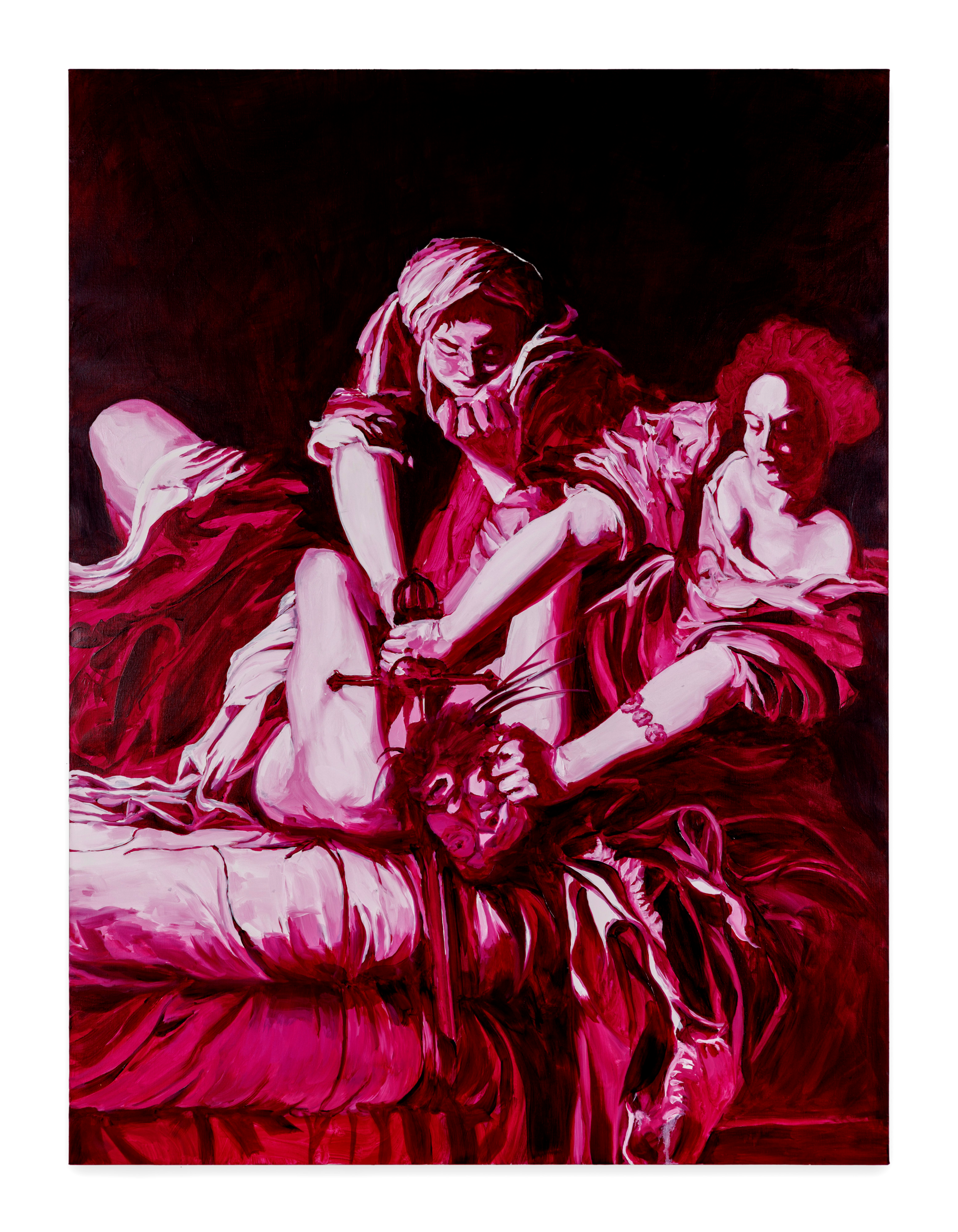
Throughout the twentieth century, certain artists permanently altered the mechanics of perception itself. Marcel Duchamp destabilized the object. René Magritte destabilized representation. Melora Kuhn’s work appears to extend this destabilization into the psychological and bodily realm itself. Her work is not simply about the transformation of an image, but the transformation of disembodied experience within painting and sculpture.
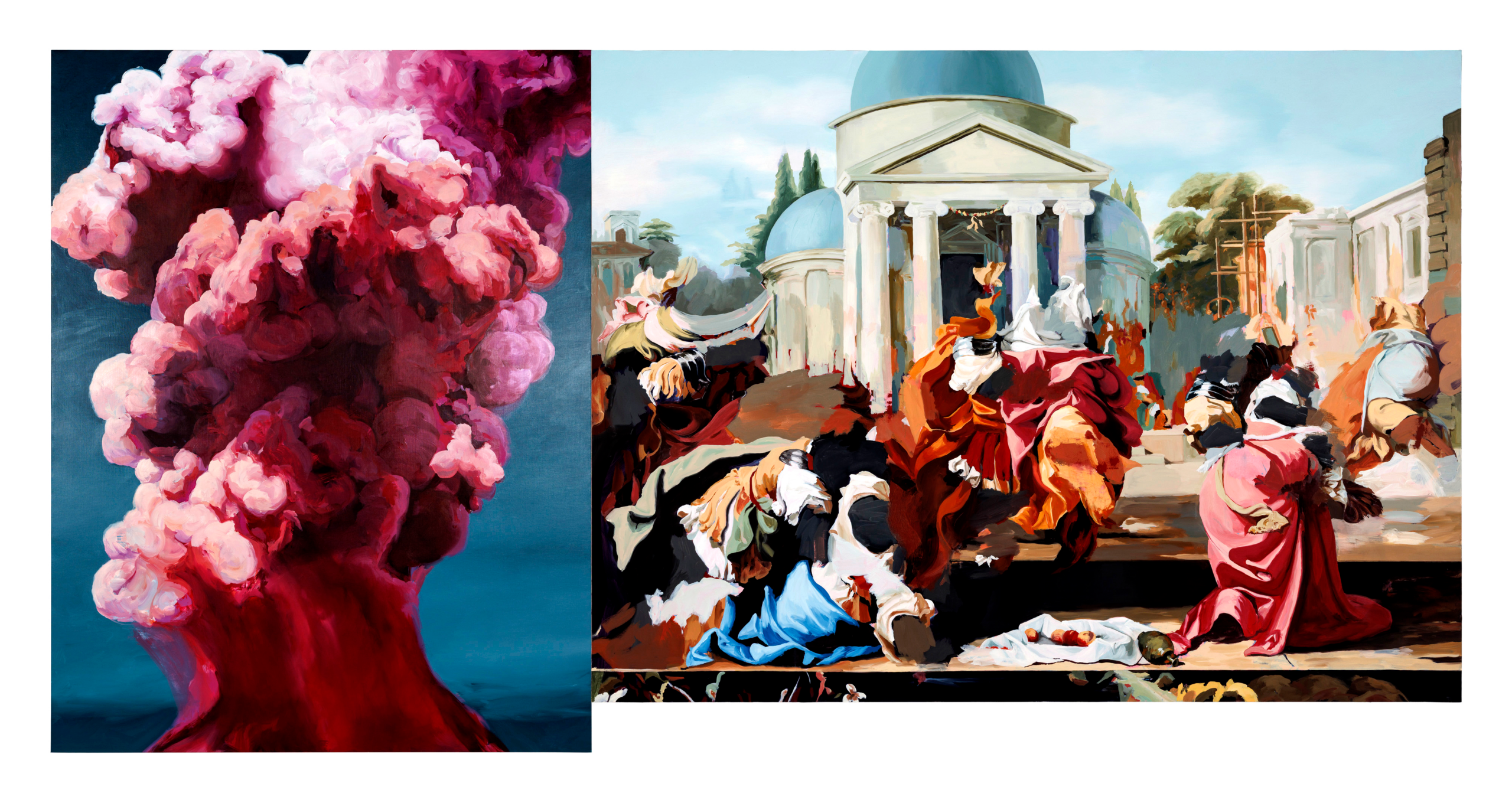
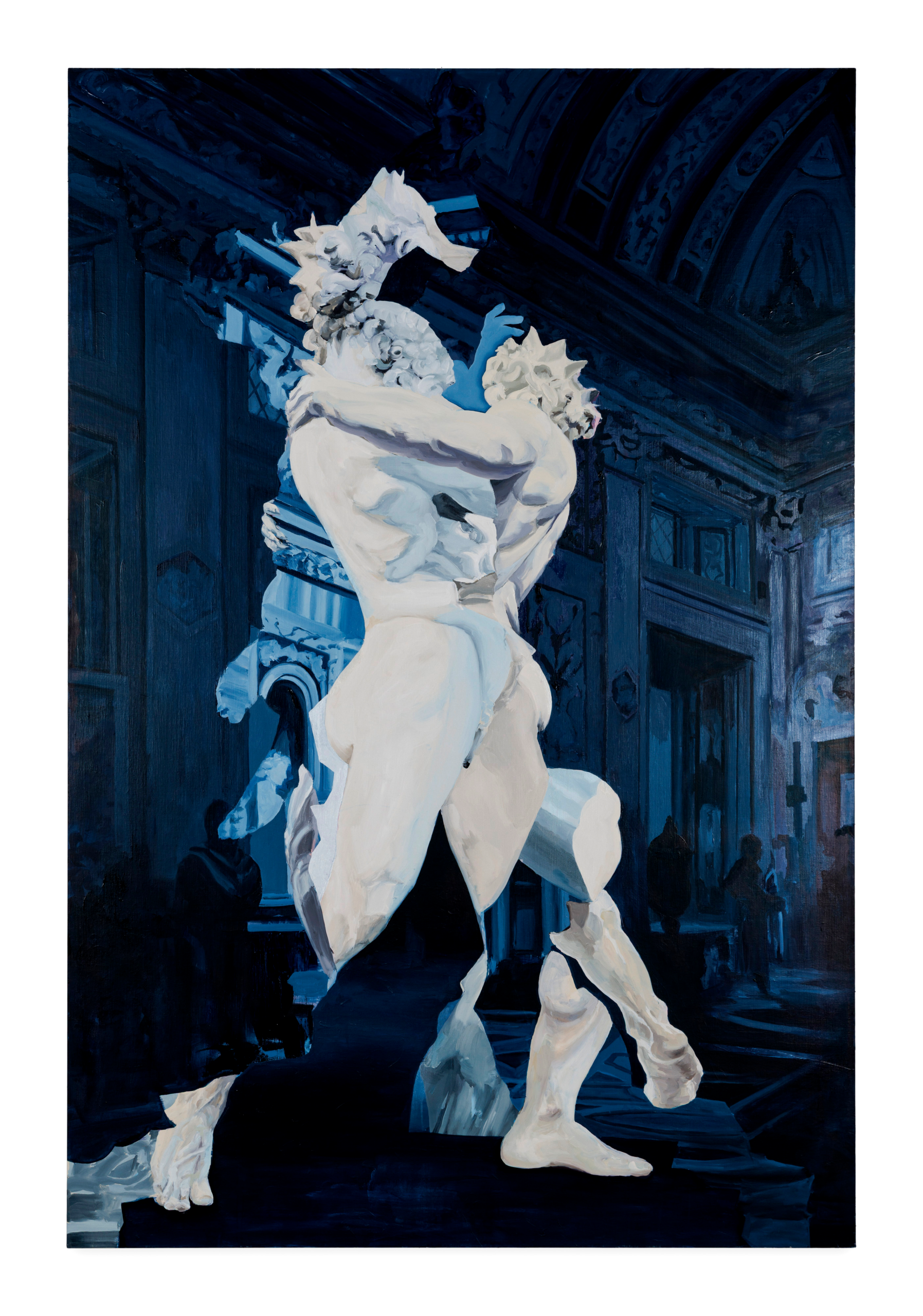
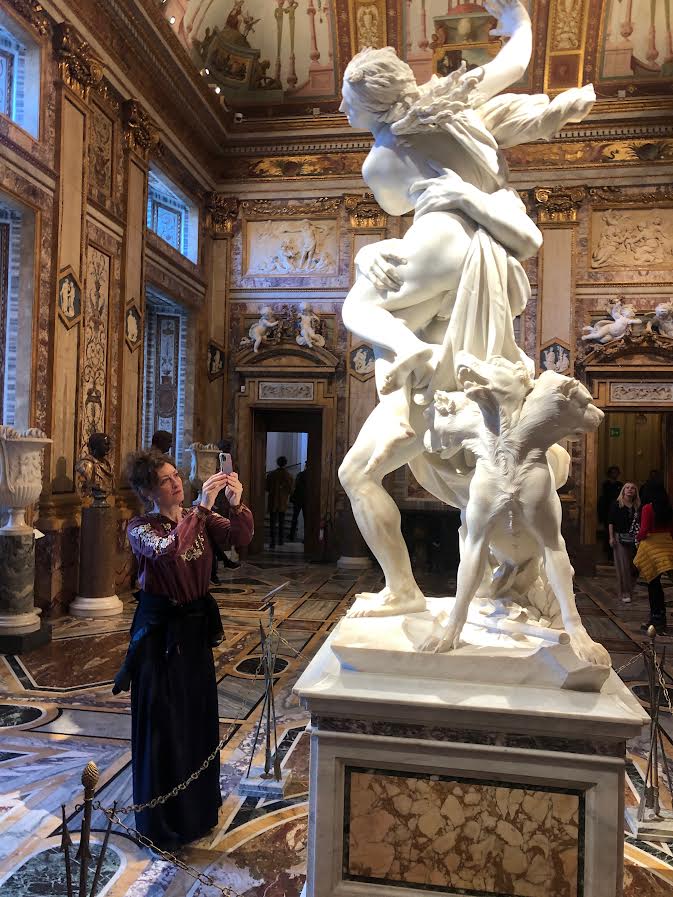
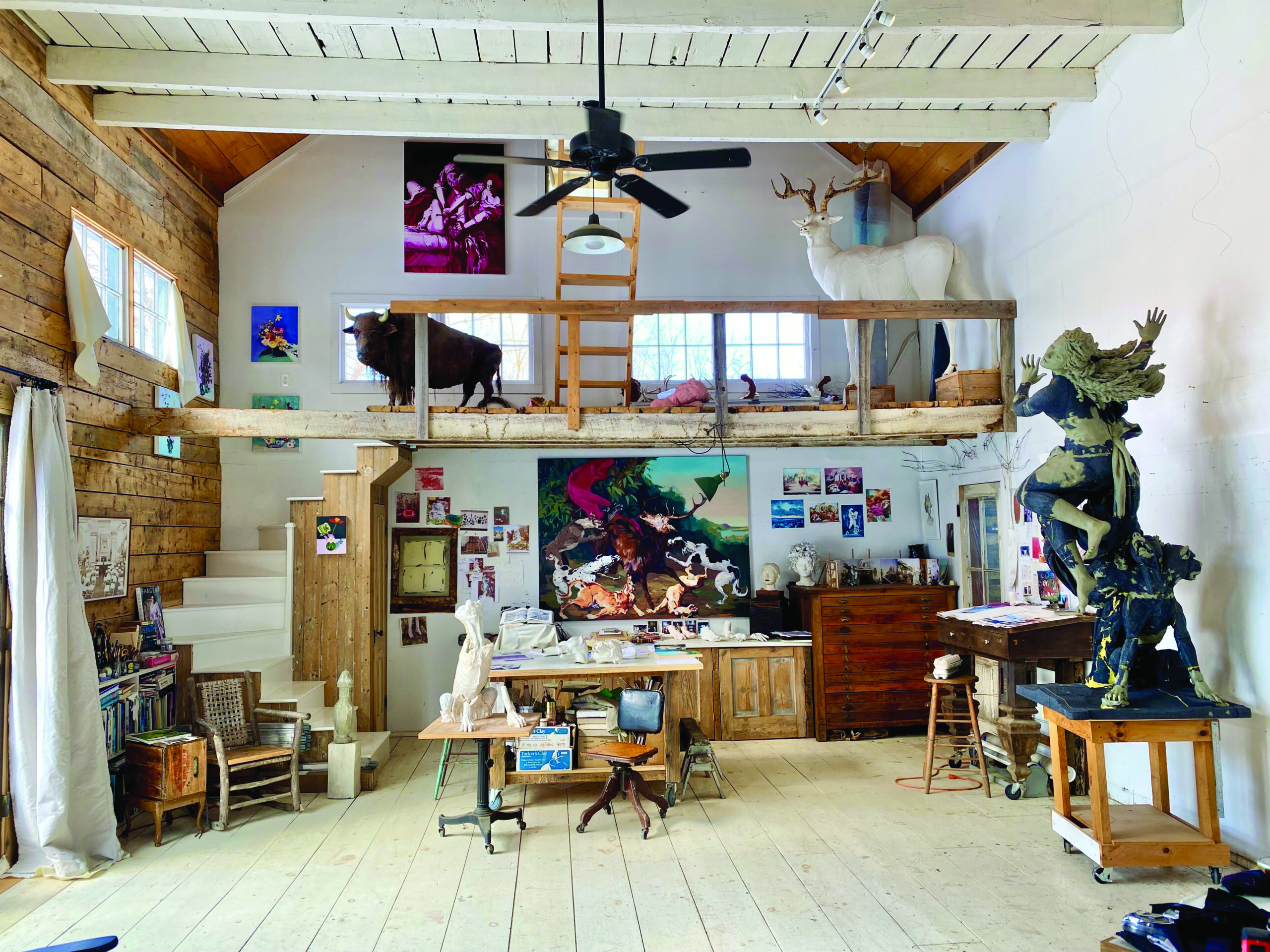
While painting the men out of The Rape of the Sabine Women—leaving holes in the women’s bodies where the men had been—Kuhn began thinking about Gian Lorenzo Bernini’s The Rape of Proserpina and the famous pressure of Hades’ hands pressing into Persephone’s flesh. She wondered what would remain if the aggressor disappeared entirely.
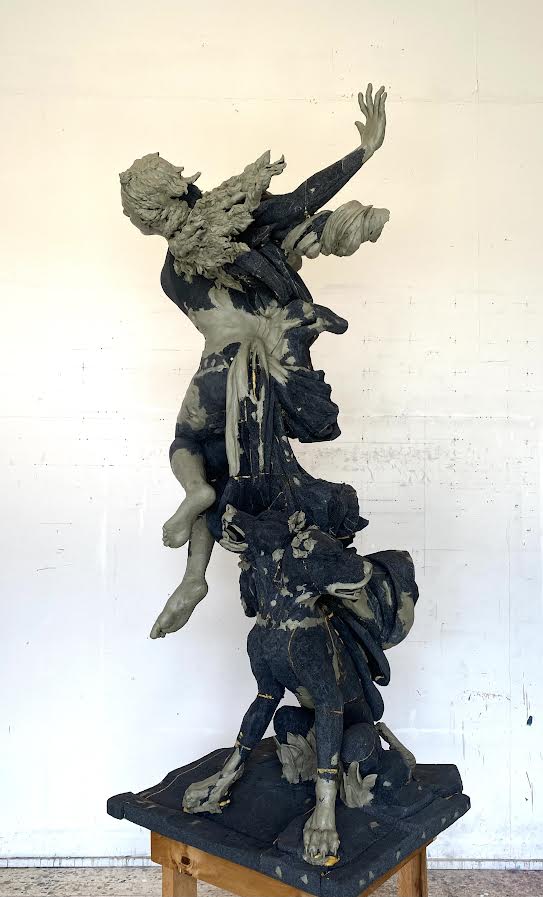
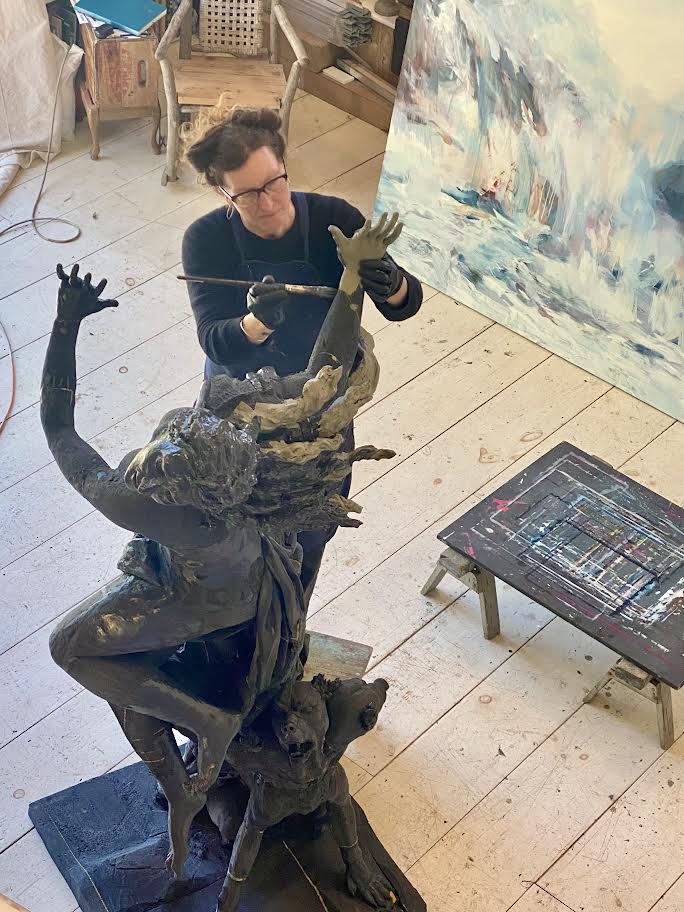
The realization of this idea became the centerpiece of the exhibition and Kuhn’s first life-sized sculpture.
Persephone remains alone, arms raised in resistance or surrender, suspended within the psychological condition immediately following an act of violence. The absence of Hades does not create relief. Instead, it intensifies disorientation, trauma, and transformation.
Without the aggressor, the work no longer safely resolves into mythology or historical narrative. What remains is the body’s memory of violation itself.
The sculpture is not documenting trauma. It is still inside it.
This is why removing Hades becomes so powerful. Without the aggressor, the narrative does not resolve. The work no longer says, “This happened.” It now says – “This is happening.”
Persephone is no longer defined by an act of aggression. And because the cause has disappeared, the viewer cannot safely place the event into mythology or history. The body remains activated in the present tense.
Kuhn’s sculpture operates in a psychological real time. The figure appears suspended within an ongoing present tense. The viewer is not asked to witness what has happened, but to enter into a bodily condition unfolding in real time.
Throughout the exhibition, disembodiment emerges not simply as a physical condition, but as an unstable state in which identity, memory, bodily presence, and narrative begin to fragment.
Persephone remains suspended just before realization fully arrives, still marked by Hades’ hands, still inside terror, instinct, and rage, but already transformed. Melora Kuhn may be altering the ontology of embodied experience within sculpture itself.
It’s the psychologically unknown. Or what the unbelievable is.
The force of the exhibition comes from her body, her motion, and her expression, the instant when terror and liberation occupy the same body simultaneously. She has not realized triumph yet. What she has become is consciousness colliding with the impossible in real time. It’s her expression. It’s the trace. It’s the afterimage we then live with.
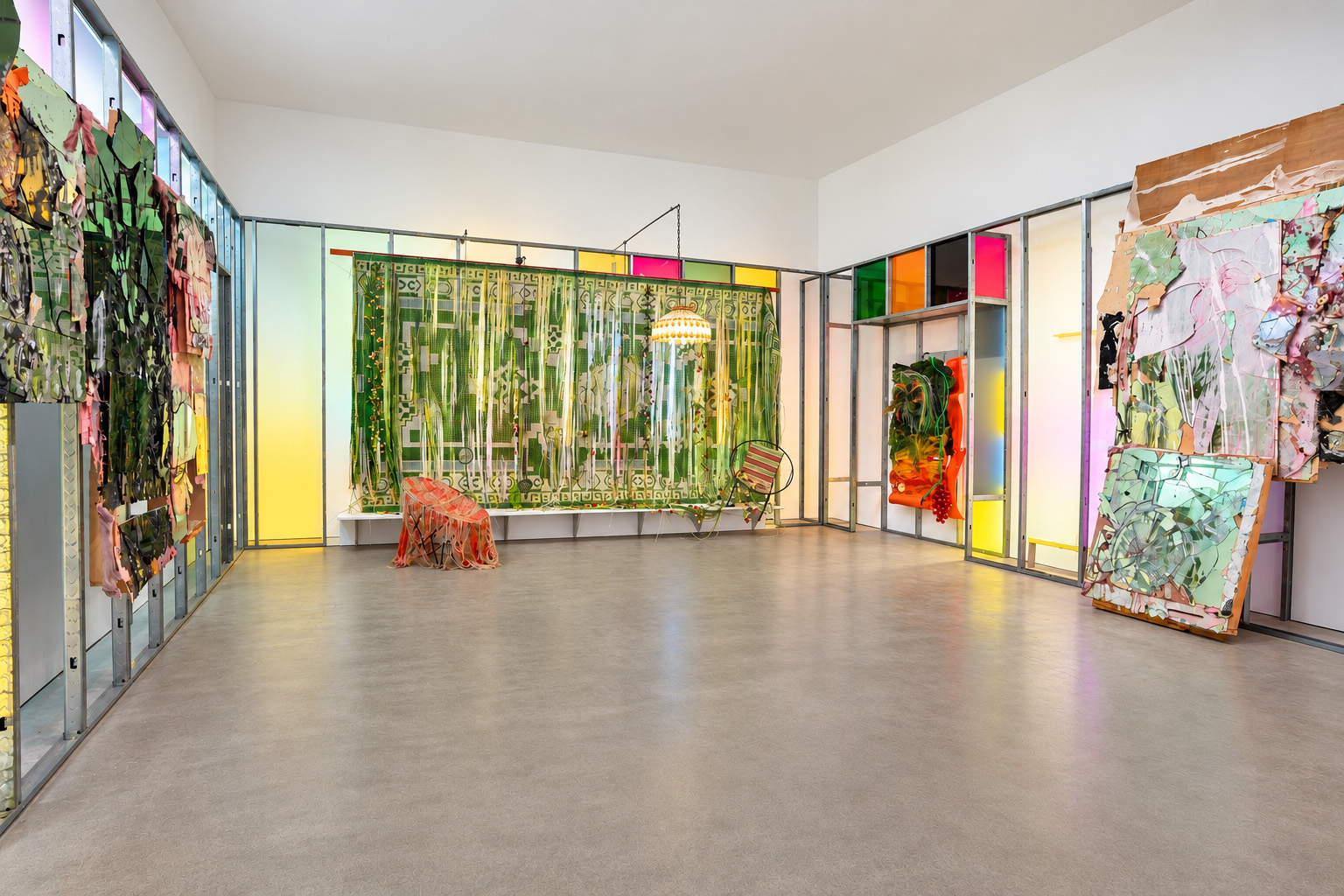
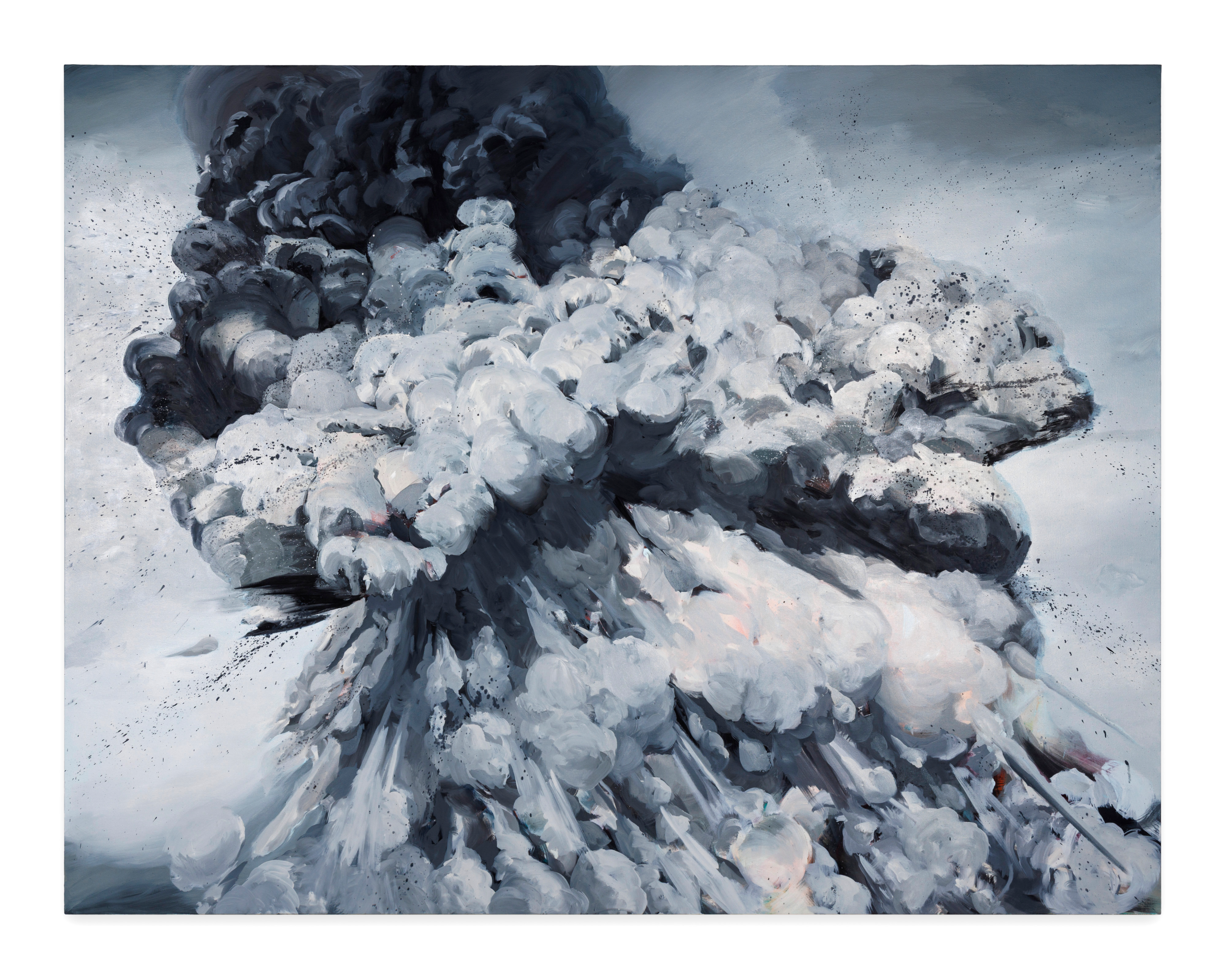
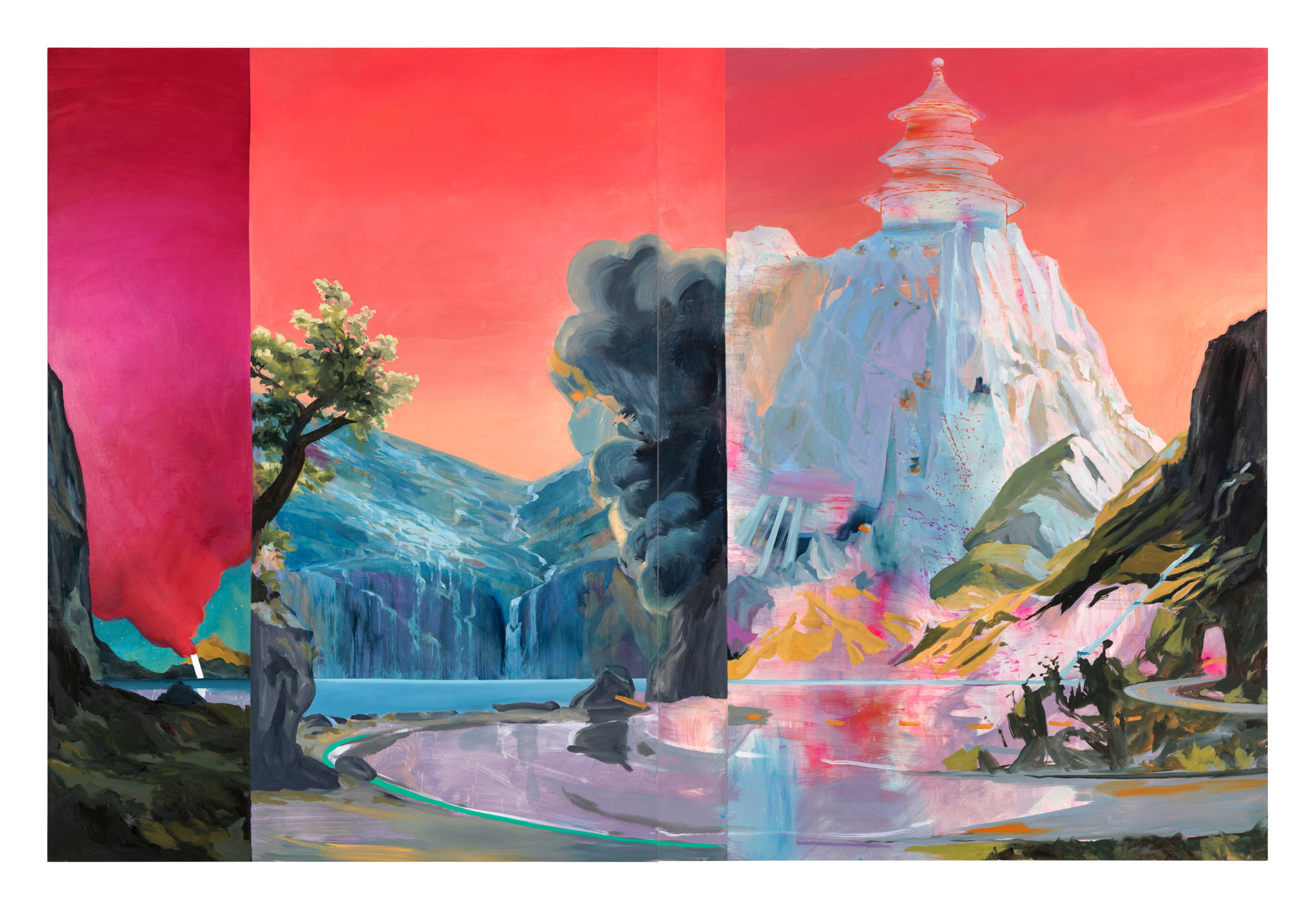
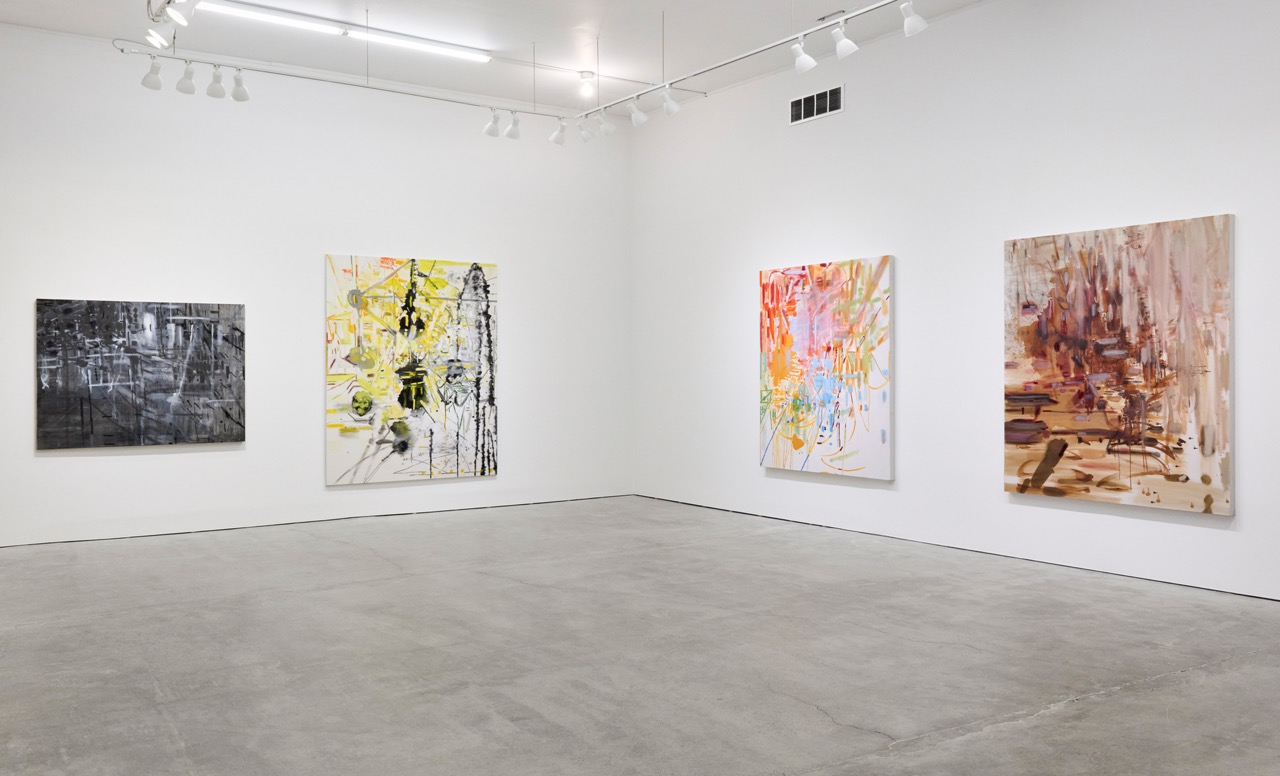
The sculpture is surrounded with eruption paintings that function like emotional aftershocks radiating outward from this central act of resistance — manifestations of rage, release, grief, and transformation — together creating an exhibition where mythology ceases to feel historical and instead becomes immediate, lived, and present.
And maybe that is what Melora Kuhn has sculpted — the psychic architecture of impossible consciousness itself.
Chris Freeman